
Tech
Parents Sue Google Over AI Search After Teen Allegedly Used It to Plan Suicide


The parents of a 13-year-old girl have filed a lawsuit against Google, alleging that their daughter used the company’s artificial intelligence-powered search features to plan a possible suicide and her funeral.
The case, filed on Monday, 2 November, in a California court, is believed to be the first to accuse Google of negligence over AI features available through its search engine on a school-issued Chromebook. The laptops are widely used in schools, where access to certain online services is often restricted.
The girl, identified in the complaint as Emma, could not access Google’s Gemini app or OpenAI’s ChatGPT because her school had blocked both services. However, she remained able to use Google Search, which offers AI-powered features.
According to the lawsuit, Emma had no previous history of mental illness but experienced what her family described as a serious psychological crisis within months of using the search engine.
On 17 March, school monitoring software alerted staff to a document titled “Funeral”. The school contacted her parents, and her mother later discovered that Emma was writing a farewell letter. Her father intervened after finding out what was happening.
The lawsuit raises questions about whether existing safeguards on AI-powered search tools are sufficient to protect children, particularly when the services are accessed through devices provided by schools.
“Schools should turn search off and keep it off until Google removes AI mode from search or ensures that every single student is always safe when they’re interacting with AI,” Andrew Liddell, one of the family’s lawyers, told AFP on Thursday, 5 November.
Google said it was examining the allegations and took the matter seriously. Company spokesperson Jose Castaneda said its AI Mode included safeguards designed to prevent self-harm and attempts to bypass those protections.
Growing legal scrutiny of technology companies
The lawsuit comes as major technology companies face increasing legal pressure over alleged harm linked to their AI products.
OpenAI is facing several wrongful death lawsuits, including a case brought by the parents of 16-year-old Adam Raine. They allege that ChatGPT provided harmful advice before their son died by suicide.
Google and Character.AI also agreed in January to settle several lawsuits filed by families of teenagers outside court.
Separately, Google, TikTok and Meta filed lawsuits against California on Wednesday, seeking to block a state law aimed at restricting addictive social media features for users under 16.
Signed by Governor Gavin Newsom in September, the legislation is scheduled to take effect on 1 January 2027. The legal challenges add to wider disputes over how technology companies should protect young users from potential harm associated with their platforms.
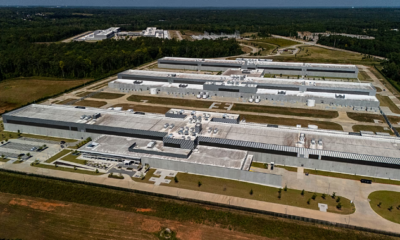








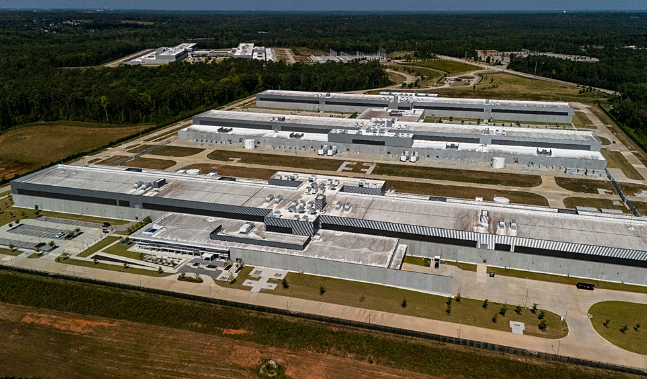
Some of the world’s largest technology companies are working with environmental organisations to develop national guidelines for data centre construction and operation in the United States, as growing opposition to the facilities raises concerns about their impact on local communities.
The group, known as the Responsible Data Center Collaborative, includes Google, Meta, Microsoft, Oracle, Amazon, Nvidia and Anthropic. Environmental organisations taking part include the Natural Resources Defense Council (NRDC), World Wildlife Fund (WWF) and Sierra Club, according to a document seen by AFP on Thursday.
The members began meeting in September and plan to continue discussions until February 2027. The initiative is supported by the Rockefeller Foundation and its affiliated organisation, Invest in Our Future.
The proposed guidelines will address electricity consumption, infrastructure, water resources, community engagement, economic benefits, transparency and accountability. The group also intends to discuss how the standards should be implemented.
The document setting out the framework for the discussions encourages participants to question assumptions, seek clarification and focus on problems rather than individuals. Meetings will follow Chatham House rules, allowing participants to share lessons from the discussions without attributing comments to specific individuals or organisations.
The initiative comes as resistance to data centre expansion grows in the United States and Europe. More than 100 organisations across 15 European countries are organising protests on 6 and 7 November, calling for a pause on large-scale projects until clearer regulations are introduced.
Rising energy and water demands
Data centres provide the computing infrastructure needed to develop and operate artificial intelligence systems, but their growing electricity and water requirements have raised concerns among residents and environmental groups.
A 2026 report by the International Energy Agency found that global electricity consumption by data centres increased by 17 per cent in 2025. Demand is projected to almost double from 485 terawatt-hours to 950 terawatt-hours by 2030, partly because of the expansion of AI.
The increase is placing additional pressure on electricity grids and raising questions about whether existing infrastructure can meet demand. Critics have also linked new power generation projects to higher electricity bills for households.
Other concerns include noise from data centre equipment and the large quantities of municipal water used by cooling systems. Some cooling towers can also produce mist that may carry harmful bacteria.
In an effort to avoid adding pressure to local power supplies, some newer facilities generate their own electricity, often through gas-fired plants that can create additional noise and pollution.
Public opposition has also entered local politics. During the US midterm elections on Tuesday, voters in dozens of cities reportedly approved measures restricting or banning data centre projects.
The collaborative brings technology companies and environmental groups into discussions over how the industry should expand while addressing concerns about energy use, water consumption and the effects on surrounding communities.

More than 100 rights groups across 15 European countries are preparing protests against the rapid expansion of energy-intensive data centres, calling for an immediate halt to new large-scale projects until stronger rules are introduced.
The Stop Dirty Data Centres campaign has organised demonstrations and public events for Friday and Saturday, November 6 and 7, with activities planned in Ireland, Poland, Denmark, Finland, Spain, the Netherlands, France and the United Kingdom.
The groups say the expansion of data centres is putting increasing pressure on local communities, public infrastructure, land, water and energy supplies. They have also raised concerns about the potential effects on housing, employment and household costs.
“Today, communities across Europe who have been challenging the imposition of energy, water and land-hungry data centres where they live are arriving on the European political stage,” said Owen Espley, coordinator of StopDirtyDataCentres.eu.
The protests follow this week’s US midterm elections, where opposition to data centre developments and concerns about artificial intelligence infrastructure became prominent campaign issues. Campaigners in Europe say the American debate has highlighted growing public resistance to projects that can place additional demands on local resources.
Residents living near data centres have raised concerns about rising electricity bills and the amount of water required to operate and cool the facilities. Other complaints include air pollution from backup generators, construction traffic, the appearance of large industrial buildings and the constant noise generated by equipment operating around the clock.
Espley said campaign groups were joining forces to challenge the influence of major technology companies and the support they receive from some political decision-makers.
“They are calling on political leaders to implement moratoria on large-scale data centres at European, national and local levels so their concerns can be addressed and the impacts of data centres properly scrutinised,” he said.
Demands grow as European investment accelerates
Environmental organisations, digital rights campaigners and other civil society groups are taking part in the coordinated action. Planned activities include demonstrations, public meetings, petition drives, information stalls, walking tours, cycle rides and poetry readings.
The campaign comes as European governments and technology companies accelerate investment in data centre infrastructure to strengthen the region’s position in artificial intelligence and compete with the United States and China.
According to the PwC Global Data Centre Outlook 2026-2050, annual investment in European data centre projects has increased from €12 billion in 2020 to an estimated €25 billion to €26 billion this year.
Total spending is expected to reach €176 billion between 2026 and 2031, reflecting the scale of planned development.
Campaigners argue that the pace of construction is outstripping the development of rules governing energy and water consumption, environmental effects and community consultation. They want governments to pause major projects while these issues are examined.
The demonstrations are intended to bring local opposition into the wider European policy debate and press authorities to establish clearer safeguards before approving further large-scale developments.

Democratic victories in several major US technology hubs have raised fresh questions about the expansion of artificial intelligence data centres, after candidates who promised tougher restrictions on new projects won key races in Tuesday’s midterm elections.
Texas, Georgia and Ohio, which have attracted major technology companies seeking to build facilities to power AI systems, elected Democratic candidates who have pledged to strengthen oversight of the industry.
The results highlight growing public opposition to data centres, which require large amounts of electricity and land and can generate noise and pollution. According to research project Data Center Watch, at least 45 data centre developments were disrupted by local opposition during the second half of 2026.
A 2025 Pew Research Center survey found that more than half of Americans were more concerned than excited about artificial intelligence. An NBC exit poll also indicated that more than 50% of voters considered AI and data centres a major or crucial factor in their decision at the midterm elections.
US President Donald Trump has supported the rapid expansion of data centre infrastructure. In September, he dismissed criticism of the facilities and concerns about AI safety, describing opposition as a hoax and arguing that data centres generate wealth for companies and states.
Texas has attracted major technology groups, including OpenAI, Anthropic, Oracle, Microsoft, Google, Meta and Amazon, through tax incentives and offers of land and energy supplies.
Republican Governor Greg Abbott had previously sought to establish Texas as a leading AI centre. However, he later paused permits for new data centre projects while an audit was carried out. The decision followed pressure from Democratic candidate Gina Hinojosa, who had promised a temporary halt to construction until stronger legal safeguards were introduced.
The election results also prompted a reaction from billionaire Elon Musk, a major Republican donor who contributed $474 million to Republican efforts during the midterm campaign. Musk, whose xAI company operates the Colossus supercomputer facility in Memphis, wrote on X: “data centres in space looking pretty appealing right now.”
Ohio recorded particularly strong resistance to new developments, with voters in 15 municipalities approving bans or other restrictions on data centre projects.
The state has been a target for major technology investment. Meta has planned to spend $1 billion on a data centre in Ohio, while Amazon Web Services has announced plans for a $2 billion investment.
The debate over data centre construction has intensified as technology companies race to expand computing capacity for artificial intelligence. While developers argue that the facilities support economic growth and technological development, opponents have raised concerns about electricity consumption, environmental effects, local infrastructure and the impact on residential communities.
The Democratic victories could increase pressure on state authorities and technology companies to address those concerns as they seek approval for further projects.

Global Stock Sell-Off Deepens as AI Data Centre Concerns Hit Chipmakers

Big Tech Firms and Environmental Groups Join Forces to Set Data Centre Guidelines

Parents Sue Google Over AI Search After Teen Allegedly Used It to Plan Suicide

Experts Call for Stricter Fireworks Rules as Injuries Rise Across Europe

European Campaigners Demand Pause on Large Data Centre Projects Amid Growing Local Opposition

One in Four Teenagers Worldwide Does No Weekly Exercise, Study Finds

US Midterm Results Put Data Centre Expansion Under Pressure as Democrats Win Key States

BMW Profits Fall as Chinese Competition Forces Deeper Cost Cuts

Eurozone Opens Race to Replace ECB President Christine Lagarde

Health Groups Urge WHO to Tighten Drinking Water Nitrate Limits Over Cancer Risks

Meta Acquires Tilda Swinton VR Doc ‘Impulse: Playing With Reality’

China’s Historic Olympic Victory Sparks National Pride Amid Controversy

Saudi Arabia’s Model for Sustainable Aviation Practices

Recent Developments in Small Business Taxes

Effective Drain Cleaning: A Key to a Healthy Plumbing System

Who was Ebrahim Raisi and his status in Iranian Politics?

Keely Hodgkinson Wins Britain’s First Athletics Gold at Paris Olympics in 800m

Carrectly: Revolutionizing Car Care in Chicago

Nobel Laureate Muhammad Yunus Proposed as Head of Bangladesh’s Interim Government Following Hasina’s Resignation

Chinese Hackers Infiltrate Major U.S. Telecom Firms in Possible National Security Breach

Sony WF-10XM4: Headphones Are Our Absolute Favorite

10 Places You Can’t Miss If It’s Your First Time in European

New Census Data Will Shake Up Alabama Politics

16 Top of Our Favorite Outdoor Clothing Brands

Fashionable Summer Accessories to Dress Up Your Travel Look

How Sleeping Less than 7 Hours a Night Can Lead to Weight Gain
-
 Entertainment2 years ago
Meta Acquires Tilda Swinton VR Doc ‘Impulse: Playing With Reality’
-
 Sports2 years ago
China’s Historic Olympic Victory Sparks National Pride Amid Controversy
-
 Business2 years ago
Saudi Arabia’s Model for Sustainable Aviation Practices
-
 Business2 years ago
Recent Developments in Small Business Taxes
-
 Home Improvement2 years ago
Effective Drain Cleaning: A Key to a Healthy Plumbing System
-
 Politics2 years ago
Who was Ebrahim Raisi and his status in Iranian Politics?
-
 Sports2 years ago
Keely Hodgkinson Wins Britain’s First Athletics Gold at Paris Olympics in 800m
-
 Business2 years ago
Carrectly: Revolutionizing Car Care in Chicago
You must be logged in to post a comment Login