
Health
89-Year-Old Man Dies From West Nile Virus in Andalusia as Cases Reach 54

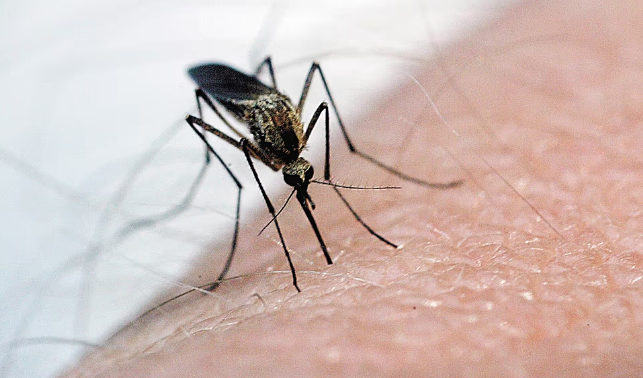
An 89-year-old man from Guadalema de los Quintero, an outlying district of Utrera in Spain’s Seville province, has died after developing meningoencephalitis caused by West Nile virus, becoming the second person to die from the infection in Andalusia this season.
The man had been receiving treatment at Virgen del Rocío Hospital in Seville since Monday. His death comes as health authorities continue to monitor an increase in West Nile virus infections across the region.
Andalusia has now recorded 54 human cases of West Nile fever this season. Of these, 37 have been classified as mild, while 17 involved severe illness. Four patients remain in hospital, while the others have recovered or are recovering.
The first death linked to the virus this season was recorded on August 5. The victim was an 82-year-old resident of Dos Hermanas who also had underlying health conditions.
Seville remains at centre of outbreak
The Andalusian regional government has placed 27 municipalities, one district and one outlying settlement under health alerts following the detection of human infections or evidence that the virus is circulating among mosquitoes, birds or horses.
Most of the affected locations are in Seville province. They include Seville city, Dos Hermanas, Coria del Río, La Puebla del Río, Los Palacios y Villafranca and Guadalema de los Quintero.
Recent surveillance has also found large numbers of female mosquitoes capable of transmitting West Nile virus in several municipalities, including La Puebla del Río, Los Palacios y Villafranca, Isla Mayor and Villamanrique de la Condesa.
Authorities are continuing mosquito monitoring and other measures to limit the spread of the infection, particularly in areas where virus activity has been detected.
What is West Nile virus?
West Nile virus is mainly transmitted to people through bites from infected mosquitoes. Birds play an important role in maintaining the virus in nature, while mosquitoes can transmit it to humans and other animals.
The virus was first identified in Uganda in 1937 and later spread to other parts of the world. Warmer temperatures have contributed to conditions that can allow mosquitoes to remain active for longer periods, increasing opportunities for transmission.
Most people infected with West Nile virus do not develop symptoms. Those who become ill commonly experience fever, headache, muscle or joint pain, vomiting, diarrhoea or skin rashes.
In a small proportion of infections, the virus can cause serious neurological complications, including encephalitis and meningitis. Older adults and people with certain chronic health conditions face a greater risk of severe disease.
The latest death has renewed attention on the risks posed by the virus as Andalusian authorities continue monitoring affected communities and mosquito populations.










Health
Breast Cancer Screening Gaps Across Europe Leave Women Facing Unequal Access to Early Diagnosis

A breast biopsy can bring days of uncertainty, fear and difficult memories, particularly for women with a family history of cancer. For Euronews reporter Monica Pinna, a week-long wait for test results became a personal experience of the emotional strain involved in investigating a possible diagnosis, as well as the inequalities affecting breast cancer screening and care across Europe.
Pinna had delayed a routine breast examination for around two years before attending an appointment in France. Her mammogram appeared normal, but an ultrasound revealed a suspicious area that required a biopsy. She underwent the procedure two days later and waited seven days for the results.
During that period, she recalled relatives who had survived breast cancer and others who had died from the disease. Although the uncertainty disrupted her work and daily life, the doctor eventually confirmed that there was no cancer.
Her experience highlighted a wider problem: access to early detection and timely diagnosis varies considerably between European countries.
When breast cancer is detected before it spreads, five-year survival rates approach 100%, compared with 38% for women diagnosed at an advanced stage, according to figures cited in the report. The European Commission has allocated around €80 million through its Europe’s Beating Cancer Plan to strengthen screening, but access remains uneven.
Differences in screening arrangements, appointment availability, out-of-pocket costs and public awareness all affect women’s chances of receiving an early diagnosis. Research by the European Union and the Organisation for Economic Co-operation and Development (OECD) has also identified social inequalities as a factor.
The time between screening and diagnosis varies across the continent. A study cited in the report found median waiting times ranging from eight days in Denmark to 32 days in Romania.
Maria Assunta, who lives in Sardinia, experienced a considerably longer process. At 46, a routine ultrasound identified a four-centimetre lump. She waited a month for a biopsy and another three weeks to receive her diagnosis. She is now in follow-up care, with examinations every six months, and describes the treatment she received as excellent.
Participation in organised screening programmes also remains inconsistent. In France, fewer than half of eligible women take part. Although screening rates increased in nine EU countries with available data compared with 2019, progress has stalled in many others.
Around 360,000 women in the EU are diagnosed with breast cancer each year, including approximately 61,000 in France. Estimates suggest that one in 11 women will develop the disease during their lifetime.
Access to psychological support is another concern. The OECD’s 2026 European Cancer Inequalities Report found that only 16 EU countries include psychological care in their cancer treatment pathways, alongside Norway and Iceland.
In Italy, a 2024 study of around 3,000 cancer patients found that only 20% had received psychological support. The Italian Federation of Voluntary Associations in Oncology estimates that specialised psycho-oncology services are available in only around 20% of hospitals.
Cancer survivors and medical volunteers have established initiatives to help address these gaps, offering activities such as yoga, Qigong and emotional support. However, provision remains limited and often depends on voluntary organisations.
Pinna’s experience ended with an all-clear, but she said it had changed her approach to screening. She hopes sharing her story will encourage women to attend regular examinations, while calling for faster diagnosis, wider access to treatment and psychological support across Europe.

Pilot fatigue remains a significant aviation safety concern, with a new survey finding that many pilots continue flying while exhausted rather than declaring themselves unfit for duty because of concerns about their employers’ reactions.
The European Cockpit Association (ECA) said fear of career consequences, reluctance to draw attention to fatigue and concerns about inconveniencing employers were among the main barriers preventing pilots from reporting that they were too tired to fly.
The survey, conducted by aviation consultancy Baines Simmons, collected responses from 7,200 pilots across 32 countries. More than half of respondents said they had flown while tired, while over 76% reported experiencing at least one microsleep on the flight deck during the previous four weeks.
Microsleeps are brief, involuntary episodes of sleep that can occur when a person is severely fatigued. Other warning signs include head nodding, difficulty keeping the eyes open and reduced alertness, all of which can compromise a pilot’s ability to respond to changing conditions during a flight.
More than half of the pilots surveyed said that, at least once in the previous three months, they had operated a flight before later realising they should have declared themselves unfit for duty because of fatigue.
Concern about management’s reaction was the most frequently reported barrier, cited by 47% of respondents. Another 44% said they did not want to draw attention to themselves, while 35% were reluctant to inconvenience their employer.
“When pilots fear career consequences, fatigue goes unreported and the risk returns to the cockpit,” said Captain Coen George, an ECA board director.
Fatigue can result from insufficient sleep, long or demanding duty periods and inadequate recovery time between assignments. The report also highlighted cumulative fatigue, which builds up over successive duties and can be harder for pilots to recognise before their performance is affected.
Despite widespread awareness of the risks, confidence in reporting procedures remains low. Although 82% of respondents knew how to submit a fatigue report, only 12% said they trusted the reporting system. Just 11% said fatigue reports had resulted in operational changes intended to improve safety.
Half of those surveyed described fatigue risks at their airlines as poorly managed or not managed at all.
The findings echo concerns raised by the European Union Aviation Safety Agency (EASA), which identified aircrew fatigue as a prominent safety issue in a report published in June 2026.
EASA linked fatigue to several operational and employment-related factors, including flight scheduling, short-notice roster changes and the use of commanders’ discretion to extend duty periods beyond planned limits.
The agency called for targeted safety initiatives to improve reporting and awareness, alongside workplace cultures that allow personnel to declare themselves too tired to work without fear of reprimand.
The ECA survey suggests that improving formal reporting procedures alone may not be sufficient. Building trust in those systems and ensuring that fatigue reports lead to meaningful operational changes remain important challenges for airlines seeking to protect flight safety.

One in three young adults in the United States has used artificial intelligence chatbots to seek information about drugs and alcohol, raising concerns among researchers about the potential health risks of inaccurate or misleading advice.
A study published in JMIR Formative Research found that 32% of 995 adults aged 18 to 29 had used tools such as ChatGPT, Google Gemini and Meta AI to obtain information related to substance use.
Among those who used AI for this purpose, nearly half said they did so at least once a month. About 12% reported using chatbots for substance-related information weekly, while 4% said they used them daily or almost daily.
“Using these tools can lead to misinformed or otherwise risky substance-use behaviour among young people, who are the age group most affected by adverse effects of substance use,” said Mireia Triguero Roura, a postdoctoral researcher at Rutgers University and lead author of the study.
The survey was conducted online in April 2026. Researchers found that AI users were primarily seeking information about the risks and consequences of substance use. Nearly 93% of respondents who had asked chatbots substance-related questions cited this as a reason.
Around half sought information about specific substances, including questions about dosage, while 35% used AI to explore substance use disorders and addiction.
The findings suggest that chatbots are supplementing rather than replacing traditional online searches. Among respondents who had used AI for substance-related information, 93% had also used Google search for similar purposes.
Participants generally rated AI tools positively for helpfulness, reliability and trustworthiness. Those who used chatbots for substance-related questions gave them an average trustworthiness score of 3.66 out of five, compared with 3.51 for general use.
Researchers cautioned, however, that positive user perceptions do not establish whether chatbot responses are medically accurate or safe. Incorrect information about substances, their effects or appropriate responses to health risks could influence decisions and encourage harmful behaviour.
The study also identified differences in use according to race and sex. Black respondents had 2.52 times the adjusted odds of reporting substance-related AI use compared with white respondents. Male respondents had approximately twice the adjusted odds of female respondents.
Triguero Roura said these differences could reflect variations in access to healthcare, experiences of stigma, trust in health services and patterns of seeking health information.
The researchers said further studies are needed to assess the accuracy of chatbot answers to drug-related questions and determine how users interpret and act on the information they receive.
They also called for more research into why certain demographic groups are more likely to use AI for substance-related queries.
As generative AI becomes a more common source of information for young adults, the findings highlight the need to understand whether these tools can provide reliable health guidance and how potential risks can be reduced.

Ryanair First-Half Profit Falls 15% as Higher Fuel Costs and Lower Fares Hit Earnings

Fitch Cuts France’s Debt Outlook to Negative Amid Budget Deadlock and Weak Growth

Breast Cancer Screening Gaps Across Europe Leave Women Facing Unequal Access to Early Diagnosis

Uzbekistan Launches Apple Pay and Google Pay Following Financial Sector Reforms

Binance Investigates $6.3 Billion Crypto Theft as North Korean Hackers Suspected

AstraZeneca Third-Quarter Profit Jumps 23% as Drugmaker Plans $1.5 Billion in Annual Savings

Jet2 Charter Introduces All-Business-Class Boeing 737 for Premium Group Travel

Belgium Takes Tax Portal Offline After Cyberattack Disrupts Digital Services

UN General Assembly Renews Call to End US Embargo on Cuba as Support Falls to 30-Year Low

Pilot Fatigue Raises Safety Concerns as Survey Finds Widespread Microsleeps

Meta Acquires Tilda Swinton VR Doc ‘Impulse: Playing With Reality’

China’s Historic Olympic Victory Sparks National Pride Amid Controversy

Saudi Arabia’s Model for Sustainable Aviation Practices

Recent Developments in Small Business Taxes

Effective Drain Cleaning: A Key to a Healthy Plumbing System

Who was Ebrahim Raisi and his status in Iranian Politics?

Keely Hodgkinson Wins Britain’s First Athletics Gold at Paris Olympics in 800m

Carrectly: Revolutionizing Car Care in Chicago

Nobel Laureate Muhammad Yunus Proposed as Head of Bangladesh’s Interim Government Following Hasina’s Resignation

Chinese Hackers Infiltrate Major U.S. Telecom Firms in Possible National Security Breach

Sony WF-10XM4: Headphones Are Our Absolute Favorite

10 Places You Can’t Miss If It’s Your First Time in European

New Census Data Will Shake Up Alabama Politics

16 Top of Our Favorite Outdoor Clothing Brands

Fashionable Summer Accessories to Dress Up Your Travel Look

How Sleeping Less than 7 Hours a Night Can Lead to Weight Gain
-
 Entertainment2 years ago
Meta Acquires Tilda Swinton VR Doc ‘Impulse: Playing With Reality’
-
 Sports2 years ago
China’s Historic Olympic Victory Sparks National Pride Amid Controversy
-
 Business2 years ago
Saudi Arabia’s Model for Sustainable Aviation Practices
-
 Business2 years ago
Recent Developments in Small Business Taxes
-
 Home Improvement2 years ago
Effective Drain Cleaning: A Key to a Healthy Plumbing System
-
 Politics2 years ago
Who was Ebrahim Raisi and his status in Iranian Politics?
-
 Sports2 years ago
Keely Hodgkinson Wins Britain’s First Athletics Gold at Paris Olympics in 800m
-
 Business2 years ago
Carrectly: Revolutionizing Car Care in Chicago