
Business
Mercedes-Benz Profit Falls 31% as China Slowdown and Tariffs Weigh on Sales

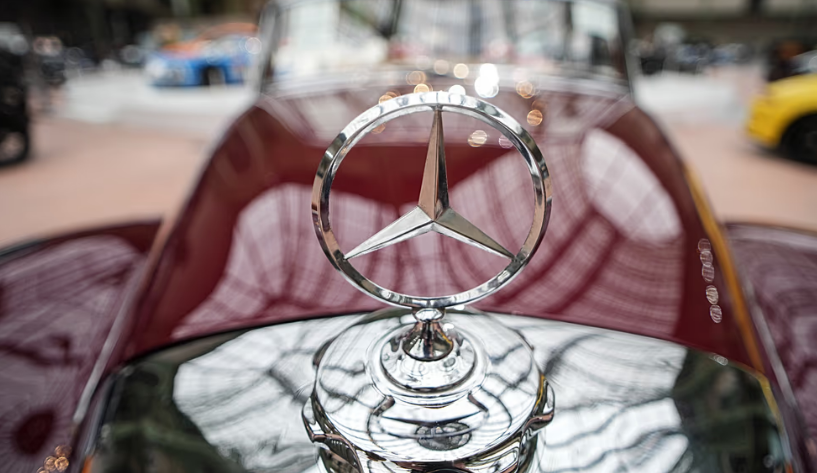
Mercedes-Benz reported a sharp 31% decline in third-quarter profit on Wednesday, as the German automaker faces sluggish demand in China and higher tariffs on exports to the United States.
Net profit fell to €1.19 billion, down from €1.71 billion during the same period last year. Revenue slipped 7% to €32.15 billion, while adjusted earnings before interest and taxes (EBIT) dropped 17% to around €2.1 billion.
Despite the weaker results, the Stuttgart-based company reaffirmed its full-year outlook, with CEO Ola Källenius maintaining a positive stance on the group’s long-term strategy.
“Our third-quarter results are in line with our full-year guidance,” Källenius said in a statement. “Our biggest product and technology launch program is well on track. We remain focused on enhancing customer experience while driving efficiency across our company.”
Mercedes-Benz also confirmed it will proceed with a €2 billion share buyback plan approved earlier this year, signaling confidence in its financial resilience.
Challenges in China and Tariff Pressures
The automaker’s performance was dragged down by a 27% decline in sales in China, its largest market. The world’s second-largest economy continues to grapple with a prolonged slowdown, dampening consumer spending and car demand.
Mercedes, along with other European carmakers, is also under pressure from steep import tariffs on vehicles shipped to the United States amid ongoing trade tensions. The dual impact of tariffs and falling Chinese sales has strained profit margins across the sector.
Adding to the challenge, competition from fast-growing Chinese electric vehicle makers such as BYD and Xiaomi is intensifying. Local manufacturers have gained a competitive edge through lower production costs and government incentives, allowing them to undercut European brands on price.
Maintaining Focus Amid Market Shifts
Mercedes-Benz has been pushing ahead with its strategy to modernize its lineup, expanding its range of electric and hybrid models while investing in digital technologies and automation to improve operational efficiency.
Despite the near-term headwinds, analysts say the company’s decision to maintain its annual guidance reflects confidence in its product pipeline and cost management measures.
The automaker’s results come as the global car industry continues to navigate shifting consumer preferences, economic uncertainty, and growing geopolitical tensions.
While Mercedes-Benz faces challenges in some of its key markets, Källenius expressed optimism about the company’s ability to adapt: “We’re executing our transformation strategy with discipline and remain committed to long-term growth and value creation.”








European regulators are examining how Binance continues to serve customers in the European Union after the cryptocurrency exchange failed to obtain a licence under the bloc’s Markets in Crypto-Assets Regulation, according to a Financial Times report.
The scrutiny centres on Binance’s use of the “reverse solicitation” exemption, which allows companies based outside the EU to provide certain services to customers when those customers approach the company entirely on their own initiative.
Binance was expected to take steps to wind down its European operations after failing to secure a MiCA authorisation by the summer deadline. Under the rules, companies without the required licence were expected from July 1 to limit their activities to helping customers transfer or sell their existing crypto holdings.
The European Securities and Markets Authority and regulators in countries including France, Germany and Greece are examining Binance’s use of the exemption, the Financial Times reported, citing people familiar with the matter.
Some regulators have reportedly requested information from Binance and could consider enforcement measures, including fines, if they are not satisfied with the company’s responses. The review also extends to other cryptocurrency businesses using the same exemption.
ESMA told the Financial Times that reverse solicitation is intended to be a limited exception and should not be used to avoid MiCA requirements. The Dutch financial markets regulator AFM similarly said crypto asset service providers must meet specific requirements before relying on the exemption.
Binance’s local licences in countries including France, Spain and Poland lapsed under the new EU framework. Customers in some other EU markets are served through Binance’s Abu Dhabi entity, which has been regulated since December 2025.
The exchange said its European operations remain compliant with applicable rules.
“In Europe, Binance remains committed to operating on a long-term, compliant basis under the EU’s Markets in Crypto-Assets Regulation. We are actively working toward becoming MiCA-authorised,” a Binance spokesperson told Euronews.
ESMA declined to comment on the specific case when contacted by Euronews. It said supervision, investigation and enforcement under MiCA are responsibilities of national authorities, while ESMA’s role includes promoting consistent supervision across EU markets through cooperation, information-sharing and guidance.
Any enforcement action against Binance would therefore need to be taken by the relevant national regulators rather than ESMA itself.
The latest scrutiny adds to Binance’s regulatory challenges in several major markets. In 2023, the company agreed to pay $4.3 billion in penalties in the United States after pleading guilty to criminal charges linked to money laundering and violations of US sanctions.
The outcome of the EU review could affect Binance’s ability to continue serving European customers while it seeks authorisation under MiCA. The exchange has said it intends to obtain the required licence and operate in the bloc on a long-term basis.
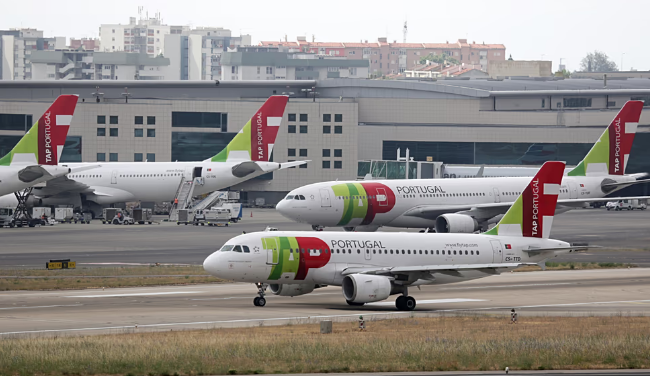
Air France-KLM and Lufthansa submitted their final bids on Wednesday for a stake in Portuguese airline TAP Air Portugal, bringing the bidding stage of the privatisation process to an end and leaving the next decision with the Portuguese government.
The two airline groups are competing to acquire an initial 44.9% stake in TAP. Their final proposals are expected to include improvements to the binding offers submitted in July, according to Parpública, Portugal’s state shareholding manager.
Parpública said it will now prepare a report assessing the changes proposed by the two bidders. The report will examine the overall merits of the final offers before being sent to the government ministers responsible for finance and air transport.
Wednesday was the deadline established by the Portuguese government for the submission of the final proposals. Infrastructure and Housing Minister Miguel Pinto Luz said earlier this week that the government would have 15 days to take a position after receiving the bids.
The proposals will be assessed on financial and strategic commitments, including investment plans, fleet development, maintenance operations, sustainable aviation fuels and compliance with labour obligations.
Air France-KLM said it had submitted a final proposal for a shareholding of up to 49.9% in TAP, signalling its continued interest in expanding its position in the Portuguese airline.
Air France-KLM Chief Executive Benjamin Smith said the group had strengthened its proposal during the final bidding period and described it as a long-term strategic plan for TAP.
The group said its proposal would place Lisbon at the centre of its operations in Southern Europe and focus on expanding connectivity, creating jobs and generating economic value in Portugal.
Lufthansa also said its final proposal was based on its experience developing network airlines and its plans to support TAP’s growth and competitiveness.
The German airline group said it aimed to help strengthen TAP’s position as Portugal’s national carrier while supporting its future development.
The privatisation process has included the possibility of negotiations to allow bidders to improve their proposals before a preferred investor is selected. The eventual transaction will still require several formal approvals.
The sale is expected to require approval by Portugal’s Council of Ministers, as well as clearance from European competition authorities before it can be completed.
The government is seeking to sell 44.9% of TAP initially, while a further 5% of the airline’s shares is reserved for employees. Any portion of that employee allocation that is not subscribed could subsequently be acquired by the investor selected by the government.
The final bids mark the latest stage in Portugal’s effort to bring a strategic airline investor into TAP following the company’s restructuring and return to financial stability. The government will now review the competing proposals before deciding on the next stage of the process.

Uruguay Tops Global Retirement Ranking as Europe Dominates Top 10

SpaceX crew reaches International Space Station in record US transit

Guirassy scores as Guinea edge Kenya in AFCON 2027 qualifier

Trump, Vance begin midterm campaign push as Republicans confront economic concerns

Binance Faces EU Regulatory Scrutiny Over Continued Service to Customers

Migraine Affects 1.3 Billion People Worldwide as Portugal Faces Diagnosis Gap

Air France-KLM and Lufthansa Submit Final Bids for TAP Stake

Italy Inflation Hits Three-Year High as Energy and Food Prices Rise

Oil Prices Rise as Trump Rejects Iran Sanctions Relief Reports

France and Britain Discuss Ending One-in, One-out Migration Deal

Meta Acquires Tilda Swinton VR Doc ‘Impulse: Playing With Reality’

China’s Historic Olympic Victory Sparks National Pride Amid Controversy

Saudi Arabia’s Model for Sustainable Aviation Practices

Recent Developments in Small Business Taxes

Effective Drain Cleaning: A Key to a Healthy Plumbing System

Who was Ebrahim Raisi and his status in Iranian Politics?

Keely Hodgkinson Wins Britain’s First Athletics Gold at Paris Olympics in 800m

Carrectly: Revolutionizing Car Care in Chicago

Nobel Laureate Muhammad Yunus Proposed as Head of Bangladesh’s Interim Government Following Hasina’s Resignation

Chinese Hackers Infiltrate Major U.S. Telecom Firms in Possible National Security Breach

Sony WF-10XM4: Headphones Are Our Absolute Favorite

10 Places You Can’t Miss If It’s Your First Time in European

New Census Data Will Shake Up Alabama Politics

16 Top of Our Favorite Outdoor Clothing Brands

Fashionable Summer Accessories to Dress Up Your Travel Look

How Sleeping Less than 7 Hours a Night Can Lead to Weight Gain
-
 Entertainment2 years ago
Meta Acquires Tilda Swinton VR Doc ‘Impulse: Playing With Reality’
-
 Sports2 years ago
China’s Historic Olympic Victory Sparks National Pride Amid Controversy
-
 Business2 years ago
Saudi Arabia’s Model for Sustainable Aviation Practices
-
 Business2 years ago
Recent Developments in Small Business Taxes
-
 Home Improvement2 years ago
Effective Drain Cleaning: A Key to a Healthy Plumbing System
-
 Politics2 years ago
Who was Ebrahim Raisi and his status in Iranian Politics?
-
 Sports2 years ago
Keely Hodgkinson Wins Britain’s First Athletics Gold at Paris Olympics in 800m
-
 Business2 years ago
Carrectly: Revolutionizing Car Care in Chicago