
Health
Measles Outbreaks Surge Across Europe, Romania Hit Hardest












Hungary is facing a sharp rise in syphilis infections, with health authorities reporting 31 deaths among foetuses and newborns linked to the sexually transmitted disease so far this year.
According to the National Public Health and Pharmaceutical Centre (NNGYK), 144 cases of congenital syphilis had been recorded by November 12. Of these, 26 involved foetuses that died in the womb, while five newborns died after birth as a result of the infection.
A total of 747 syphilis cases were registered during the final three months of the reporting period, including 516 in the provinces and 231 in Budapest. The infection is currently the fastest-spreading sexually transmitted disease in the country, with Bács-Kiskun, Szabolcs-Szatmár-Bereg, Jász-Nagykun-Szolnok and Heves among the most affected counties.
The scale of the outbreak has increased considerably in recent years. NNGYK figures show that reported syphilis cases rose from 777 in 2020 to 2,462 in 2025. Data from the European Centre for Disease Prevention and Control (ECDC) indicates that Hungary’s infection rate is six times higher than Romania’s and 20 times higher than Croatia’s.
The country also leads the European Union in reported congenital syphilis cases. In 2024, Hungary recorded 42 infections among foetuses and newborns, followed by Bulgaria with 30. Fourteen EU countries reported no cases that year.
Syphilis is caused by the bacterium Treponema pallidum and is primarily transmitted through sexual contact. It can also pass from an infected mother to her unborn child through the placenta. Early symptoms often include a painless sore, which may disappear without treatment, creating the false impression that the infection has cleared. Later stages can cause skin rashes and serious damage to the nervous system, heart and blood vessels.
The disease is treatable with antibiotics, usually penicillin, but delayed diagnosis can have severe consequences, particularly during pregnancy. Untreated infection can cause miscarriage, stillbirth or serious health complications in newborns.
A study published by experts at Semmelweis University examined 180 pregnant women diagnosed with syphilis between 2015 and 2025. It found that 75% of infections were detected only during the second or third trimester, while 94% of the women showed no symptoms when diagnosed. Delayed entry into antenatal care and patients failing to attend follow-up appointments were identified as major obstacles to timely treatment.
According to NNGYK data, Hungary recorded 91 congenital syphilis cases in 2025, equivalent to 126 infections per 100,000 live births. During the first eight months of 2026, another 100 cases were registered. This is more than twice the World Health Organization’s target of 50 cases per 100,000 live births.
In response, Hungarian health authorities have introduced a new national protocol aimed at preventing infections during pregnancy. It requires syphilis screening during the first trimester and repeat testing between the 24th and 28th weeks.
Women who have not received antenatal care or are considered at high risk will also be offered rapid testing when giving birth. Those testing positive must begin penicillin treatment within three days, while the process of identifying and notifying sexual partners must start within two days.
Health officials say early testing and prompt treatment are essential to prevent further transmission and protect unborn children from the potentially fatal consequences of congenital syphilis.

Older adults who experience persistent loneliness may face a significantly higher risk of developing dementia, according to a French study that followed thousands of people over three decades.
Researchers from the University of Bordeaux found that people who were chronically lonely had a 38% greater risk of developing dementia than those who never experienced loneliness. However, occasional feelings of loneliness were not significantly associated with an increased risk.
The findings, published in the journal Aging & Mental Health, highlight the potential long-term consequences of persistent loneliness as populations age and dementia cases continue to rise worldwide.
Dementia affects an estimated 57 million people globally and has no current cure. Several factors, including genetics, physical activity, smoking and alcohol consumption, can influence the likelihood of developing the condition. Social isolation has also been identified as a risk factor by an expert commission convened by The Lancet.
The Bordeaux research team examined data from 3,777 older adults who were followed between 1988 and 2018. Participants were assessed during four research visits over an eight-year period and divided into three categories: those who never felt lonely, those who experienced loneliness occasionally and those who reported persistent loneliness.
Researchers then monitored the participants over the following 20 years to determine how many developed dementia.
The results showed that approximately one in three participants in the never-lonely and occasionally lonely groups developed dementia. The proportion rose to around 49% among people who experienced chronic loneliness.
Karine Pérès, a senior researcher at the Bordeaux Population Health Centre and one of the study’s authors, said the distinction between temporary and persistent loneliness was important.
“While most people experience loneliness at some point in their lives, it is when loneliness becomes chronic and persistent that it may increase the risk of developing dementia,” she said.
The researchers stressed that loneliness and social isolation are not interchangeable. Social isolation refers to a lack of social contact, while loneliness describes a person’s subjective feeling of being disconnected from others. Someone can therefore experience loneliness despite living with family members or regularly meeting other people.
Yvanna Simon, the study’s lead author, said persistent loneliness could also reflect unsatisfactory relationships, the pressures of caring for others or a lack of meaningful activities.
The researchers acknowledged several limitations, including their reliance on a single question to assess loneliness rather than a more detailed evaluation. They also noted that other factors influencing dementia risk may not have been fully accounted for.
Despite these limitations, the findings support previous research linking loneliness in middle age and later life to a greater likelihood of developing dementia.
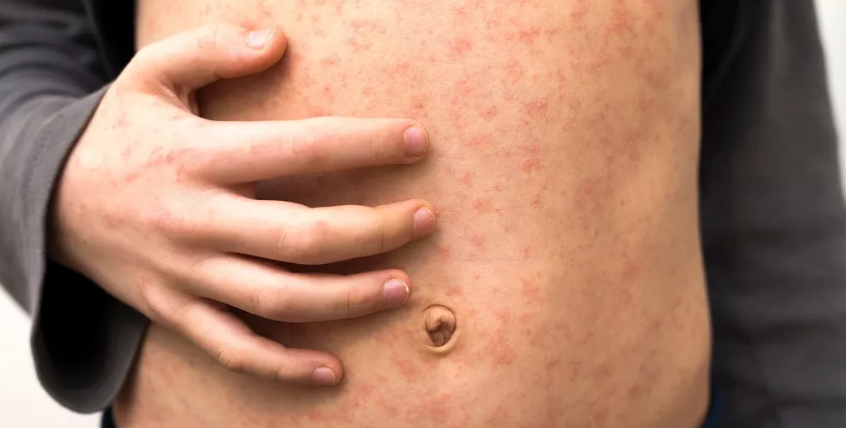
Measles infections across Europe have fallen sharply in 2026 compared with previous years, although outbreaks in countries including Bulgaria and Italy continue to concern public health officials.
Provisional figures from the European Centre for Disease Prevention and Control (ECDC) show that 2,325 cases were reported across the European Economic Area (EEA) in the 12 months to September 2026. This compares with 10,195 infections during the preceding 12-month period.
The data covers European Union member states, Iceland, Liechtenstein and Norway. Although further cases are expected to be reported before the end of the year, the figures suggest that 2026 will be significantly less severe than 2025.
Around 600 infections have been recorded in both Bulgaria and Italy this year. Italy has experienced a gradual decline in cases since April, when 173 infections were reported in a single month.
Bulgaria, which recorded only two cases throughout 2025, has faced a particularly sharp increase. Health officials have raised concerns about falsified vaccination records, suggesting that some children listed as immunised may not have received the vaccine.
In one heavily affected region, around 60% of children recorded as vaccinated had no detectable antibodies against measles, mumps or rubella.
No measles-related deaths had been reported across the EEA by September, according to the ECDC.
Cases have also been reported outside the EEA. England recorded 1,055 confirmed infections by 9 November, while Ukraine reported 653 cases through September.
The decline follows a major resurgence in recent years. The EEA recorded 7,655 cases during 2025, compared with more than 35,000 in 2024. The earlier outbreak led six European countries to lose their measles-free status, including Austria, Spain and the United Kingdom.
Health authorities continue to warn that countries and communities with low vaccination coverage remain vulnerable. Immunisation rates vary considerably across Europe, ranging from 68% in Romania to 99% in Hungary.
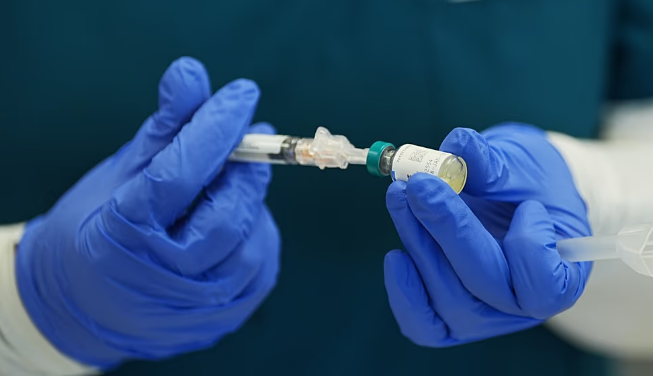
Measles is highly contagious, and health experts estimate that at least 95% of a population needs to be vaccinated to prevent sustained transmission. Two doses of the measles vaccine provide up to 97% protection against the disease.
According to the ECDC, most infections over the past year occurred among people who had not been vaccinated, based on cases with known immunisation status. Children under five accounted for around 28% of infections, while people aged 15 and older represented 51%.
The latest figures indicate an improvement in Europe’s measles situation, but uneven vaccination coverage continues to leave some populations exposed to further outbreaks.

BYD in Exclusive Talks to Acquire Ineos Automotive Plant in France

Belgium Opens Europe’s Largest Satellite Factory to Boost Space Independence

UK Households Face £443 Annual Energy Bill Increase as EU Market Talks Continue

Jensen Huang’s Remarkable Rise at Nvidia Overshadowed by Controversial CEO Comeback

Guterres Urges Nations to Agree Global AI Safety Framework Within a Year

Hungary Records 31 Foetal and Newborn Deaths as Syphilis Cases Surge

Trump Calls on Nvidia Board to Reinstate Jensen Huang as CEO

CrowdStrike to Acquire Zscaler in Record $43.9 Billion Cybersecurity Deal

South Korea and China Near Deal to Ease Restrictions on Entertainment Industry

Costa Concordia Captain Francesco Schettino Released From Prison on Probation

China’s Historic Olympic Victory Sparks National Pride Amid Controversy

Meta Acquires Tilda Swinton VR Doc ‘Impulse: Playing With Reality’

Saudi Arabia’s Model for Sustainable Aviation Practices

Recent Developments in Small Business Taxes

Effective Drain Cleaning: A Key to a Healthy Plumbing System

Who was Ebrahim Raisi and his status in Iranian Politics?

Keely Hodgkinson Wins Britain’s First Athletics Gold at Paris Olympics in 800m

Carrectly: Revolutionizing Car Care in Chicago

Nobel Laureate Muhammad Yunus Proposed as Head of Bangladesh’s Interim Government Following Hasina’s Resignation

Chinese Hackers Infiltrate Major U.S. Telecom Firms in Possible National Security Breach

Sony WF-10XM4: Headphones Are Our Absolute Favorite

10 Places You Can’t Miss If It’s Your First Time in European

New Census Data Will Shake Up Alabama Politics

16 Top of Our Favorite Outdoor Clothing Brands

Fashionable Summer Accessories to Dress Up Your Travel Look

How Sleeping Less than 7 Hours a Night Can Lead to Weight Gain
-
 Sports2 years ago
China’s Historic Olympic Victory Sparks National Pride Amid Controversy
-
 Entertainment2 years ago
Meta Acquires Tilda Swinton VR Doc ‘Impulse: Playing With Reality’
-
 Business3 years ago
Saudi Arabia’s Model for Sustainable Aviation Practices
-
 Business3 years ago
Recent Developments in Small Business Taxes
-
 Home Improvement2 years ago
Effective Drain Cleaning: A Key to a Healthy Plumbing System
-
 Politics3 years ago
Who was Ebrahim Raisi and his status in Iranian Politics?
-
 Sports2 years ago
Keely Hodgkinson Wins Britain’s First Athletics Gold at Paris Olympics in 800m
-
 Business2 years ago
Carrectly: Revolutionizing Car Care in Chicago