
Health
Swiss Scientists Develop Advanced Wastewater Surveillance to Detect Future Pandemics


Swiss researchers are developing new wastewater monitoring technology designed to detect emerging viruses and identify potential pandemic threats before they spread widely through communities.
The initiative builds on existing surveillance systems that monitor influenza, COVID-19 and respiratory syncytial virus (RSV), with scientists now working towards identifying a much wider range of pathogens, including viruses that have not previously been detected in humans.
Wastewater surveillance involves collecting samples from treatment plants and analysing traces of viruses shed by people through everyday activities, including using toilets, washing hands, brushing teeth and showering.
The technique became particularly important during the COVID-19 pandemic, when scientists used sewage samples to monitor circulating variants and identify infection waves, including cases involving people who had not developed symptoms.
Switzerland currently monitors coronavirus, influenza and RSV through samples collected at 10 wastewater treatment plants, covering approximately 22% of the population. During the pandemic, the surveillance network covered around 100 treatment plants.
The findings help public health authorities and hospitals prepare for increases in infections by adjusting staffing levels, introducing protective measures and planning healthcare resources.
Researchers also analyse the genetic sequences of detected viruses to assess mutations and determine whether existing vaccines and monoclonal antibody treatments are likely to remain effective against circulating strains.
Tanja Stadler, head of the Department of Biosystems Science and Engineering at ETH Zurich, told Euronews that genetic information can help scientists determine whether vaccines and antibody treatments are working effectively or whether emerging mutations could create problems.
Her team is now developing technology that would allow researchers to identify and sequence a much broader range of viruses in wastewater rather than concentrating on selected pathogens.
The objective is to detect previously unknown infectious agents, including a potential future pandemic pathogen referred to by the World Health Organisation as Disease X.
Stadler said current monitoring methods focus on specific viruses, such as SARS-CoV-2, which causes COVID-19. The proposed approach would analyse a wider range of viral material, increasing the chances of detecting a new pathogen before it becomes a major public health threat.
The technology could prove particularly important for monitoring avian influenza, or bird flu, which has spread from animals to humans in parts of Europe and North America. Although sustained human-to-human transmission has not been established, mutations that allow the virus to spread easily between people could create a serious pandemic risk.
Researchers also hope wastewater testing could eventually provide information about population immunity by measuring antibodies present in sewage samples.
Stadler estimates that some of these developments could become available within two to six years, provided research funding remains stable.
The team’s existing surveillance data is already used by hospitals, public health authorities and pharmaceutical companies through an online dashboard that provides near-real-time information. Stadler said users regularly contact researchers when the system experiences technical interruptions, reflecting its growing importance to healthcare planning and disease monitoring.









Cocaine was the drug most frequently involved in emergency room visits for drug-related health problems across selected European hospitals in 2025, while the majority of cases involved people who had consumed multiple substances or combined drugs with alcohol, according to a new report by the European Union Drugs Agency (EUDA).
Nearly 14,700 people sought emergency medical treatment for overdoses and other acute drug toxicity incidents at participating hospitals during the year. The analysis examined approximately 7,400 cases from 45 hospitals across 18 European Union member states and Norway.
Cocaine was involved in 32 per cent of the cases analysed, making it the most frequently reported substance. Cannabis accounted for 24 per cent, followed by amphetamines at 11 per cent.
The report found that only 39 per cent of emergency visits involved a single drug. Another 23 per cent involved a combination of drugs and alcohol, while 38 per cent involved multiple substances.
Ketamine-related emergencies frequently involved other substances, with 72 per cent of patients having also consumed alcohol or another drug. The most commonly reported combination was cannabis, cocaine and alcohol.
Isabelle Giraudon, EUDA’s principal scientist on the health consequences of drug use, said combining substances was more common than taking drugs individually.
She warned that mixing drugs could increase health risks because different substances may interact and produce more serious effects.
People combining opioids or GHB/GBL, sometimes known as G or liquid ecstasy, with alcohol, benzodiazepines or other depressants face an increased risk of respiratory depression. In severe cases, breathing can slow to dangerous levels and become life-threatening.
The analysis also found that patients who consumed multiple drugs generally required longer hospital stays. Those who had taken a single substance, either alone or with alcohol, spent a median of five hours in hospital. The figure increased to seven hours for patients who had consumed at least two drugs.
Overall, 66 per cent of patients were discharged directly from emergency departments after receiving medical treatment. However, the type of substance involved influenced the level of care required.
Patients who had taken methamphetamine or other amphetamines were more likely to be referred to psychiatric wards, while those involved in heroin or GHB/GBL emergencies were more likely to require critical care.
The report also identified differences in drug-related emergencies across age groups. Younger patients were more frequently treated following ecstasy or nitrous oxide use, commonly known as laughing gas. The median age was 38 for heroin-related visits and 36 for cases involving crack cocaine.
Men accounted for 72 per cent of all hospital visits, with emergency cases reaching their highest levels during weekends. Around two-thirds of patients were transported to hospitals by ambulance.
The findings highlight the growing importance of monitoring combinations of drugs and alcohol, as mixed-substance consumption can complicate treatment and increase the risk of serious medical outcomes.
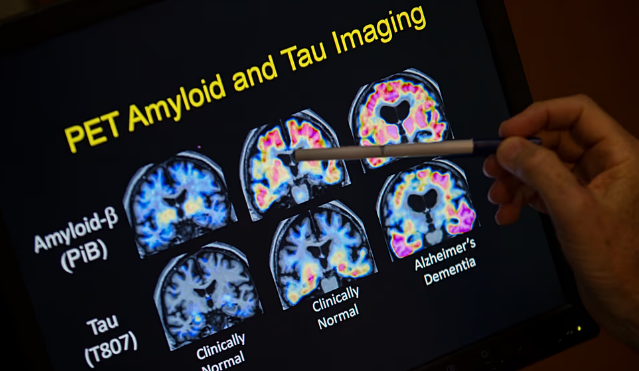
Greece is preparing to open 20 specialised day centres for people living with Alzheimer’s disease and other forms of dementia, expanding access to free care and support for patients and their families across the country.
The Ministry of Health will establish and operate the facilities as part of wider efforts to reform psychiatric services and implement the country’s national dementia strategy. Each centre will be supported by a mobile unit providing care to people who cannot easily travel to a facility.
The initiative aims to strengthen community-based treatment, improve access to specialised services and provide continuity of care as patients’ needs change.
Deputy Health Minister Dimitris Vartzopoulos said the centres would create a coordinated national network, with a focus on community care, ongoing therapeutic support and family involvement.
“With the 20 new day centres, we are building a coherent care network for dementia across the country, with an emphasis on community care, continuity of therapeutic support and the active involvement of the family,” he said.
Services will be tailored to each patient’s condition and stage of illness. Programmes will seek to maintain cognitive and physical abilities, support independence and help people manage everyday activities.
The centres will also work to prevent or delay the progression of symptoms, reduce social isolation and help patients remain in their communities for longer, rather than requiring early placement in residential institutions. Extended opening hours are expected to make the services more accessible to patients and relatives.
Mobile teams will provide home-based assistance, particularly for people whose health or circumstances make travelling to the centres difficult or impossible.
Support for family carers will also form part of the programme. Relatives will be able to access counselling, psychological assistance and training to help them cope with the demands of caring for someone with dementia.
The expansion comes as Greece faces growing demand for long-term care amid an ageing population. Dementia can place considerable pressure not only on patients but also on relatives and wider support networks, making access to reliable community services increasingly important.
“Dementia does not concern only the person who is ill, but also their family, their carers and society as a whole,” Vartzopoulos said. He added that the state had a responsibility to provide high-quality, free services while respecting the dignity and autonomy of every individual.
The new facilities will coordinate with local health and social care providers. Their distribution across Greece is intended to improve regional coverage and reduce differences in access to specialist mental health services.
A total of €28 million from the European Union-supported Partnership Agreement for 2021-2027 has been allocated to establish and operate the 20 centres. Each unit will receive €1.4 million, covering the day centre and its associated mobile team for an initial two-year period.

Hungary is facing a sharp rise in syphilis infections, with health authorities reporting 31 deaths among foetuses and newborns linked to the sexually transmitted disease so far this year.
According to the National Public Health and Pharmaceutical Centre (NNGYK), 144 cases of congenital syphilis had been recorded by November 12. Of these, 26 involved foetuses that died in the womb, while five newborns died after birth as a result of the infection.
A total of 747 syphilis cases were registered during the final three months of the reporting period, including 516 in the provinces and 231 in Budapest. The infection is currently the fastest-spreading sexually transmitted disease in the country, with Bács-Kiskun, Szabolcs-Szatmár-Bereg, Jász-Nagykun-Szolnok and Heves among the most affected counties.
The scale of the outbreak has increased considerably in recent years. NNGYK figures show that reported syphilis cases rose from 777 in 2020 to 2,462 in 2025. Data from the European Centre for Disease Prevention and Control (ECDC) indicates that Hungary’s infection rate is six times higher than Romania’s and 20 times higher than Croatia’s.
The country also leads the European Union in reported congenital syphilis cases. In 2024, Hungary recorded 42 infections among foetuses and newborns, followed by Bulgaria with 30. Fourteen EU countries reported no cases that year.
Syphilis is caused by the bacterium Treponema pallidum and is primarily transmitted through sexual contact. It can also pass from an infected mother to her unborn child through the placenta. Early symptoms often include a painless sore, which may disappear without treatment, creating the false impression that the infection has cleared. Later stages can cause skin rashes and serious damage to the nervous system, heart and blood vessels.
The disease is treatable with antibiotics, usually penicillin, but delayed diagnosis can have severe consequences, particularly during pregnancy. Untreated infection can cause miscarriage, stillbirth or serious health complications in newborns.
A study published by experts at Semmelweis University examined 180 pregnant women diagnosed with syphilis between 2015 and 2025. It found that 75% of infections were detected only during the second or third trimester, while 94% of the women showed no symptoms when diagnosed. Delayed entry into antenatal care and patients failing to attend follow-up appointments were identified as major obstacles to timely treatment.
According to NNGYK data, Hungary recorded 91 congenital syphilis cases in 2025, equivalent to 126 infections per 100,000 live births. During the first eight months of 2026, another 100 cases were registered. This is more than twice the World Health Organization’s target of 50 cases per 100,000 live births.
In response, Hungarian health authorities have introduced a new national protocol aimed at preventing infections during pregnancy. It requires syphilis screening during the first trimester and repeat testing between the 24th and 28th weeks.
Women who have not received antenatal care or are considered at high risk will also be offered rapid testing when giving birth. Those testing positive must begin penicillin treatment within three days, while the process of identifying and notifying sexual partners must start within two days.
Health officials say early testing and prompt treatment are essential to prevent further transmission and protect unborn children from the potentially fatal consequences of congenital syphilis.

Swiss Scientists Develop Advanced Wastewater Surveillance to Detect Future Pandemics

OpenAI Countersues Apple Over Alleged Trade Secret Theft as Rivalry Intensifies

S&P Downgrades France’s Economic Outlook to Negative, Warns Over Public Finances

Cocaine Leads Drug-Related Emergency Hospital Visits Across Europe in 2025

Denmark Arrests 18-Year-Old Over Data Breach Affecting 11,000 People

Germany and Austria Call for European Ownership and Control of TikTok Operations

Asian Stocks Rebound as Technology Shares Recover from Heavy Selling

Greece to Open 20 New Day Centres for People with Dementia

UniCredit Secures Final Regulatory Approval for Commerzbank Takeover

BYD in Exclusive Talks to Acquire Ineos Automotive Plant in France

China’s Historic Olympic Victory Sparks National Pride Amid Controversy

Meta Acquires Tilda Swinton VR Doc ‘Impulse: Playing With Reality’

Saudi Arabia’s Model for Sustainable Aviation Practices

Recent Developments in Small Business Taxes

Effective Drain Cleaning: A Key to a Healthy Plumbing System

Who was Ebrahim Raisi and his status in Iranian Politics?

Keely Hodgkinson Wins Britain’s First Athletics Gold at Paris Olympics in 800m

Carrectly: Revolutionizing Car Care in Chicago

Nobel Laureate Muhammad Yunus Proposed as Head of Bangladesh’s Interim Government Following Hasina’s Resignation

Chinese Hackers Infiltrate Major U.S. Telecom Firms in Possible National Security Breach

Sony WF-10XM4: Headphones Are Our Absolute Favorite

10 Places You Can’t Miss If It’s Your First Time in European

New Census Data Will Shake Up Alabama Politics

16 Top of Our Favorite Outdoor Clothing Brands

Fashionable Summer Accessories to Dress Up Your Travel Look

How Sleeping Less than 7 Hours a Night Can Lead to Weight Gain
-
 Sports2 years ago
China’s Historic Olympic Victory Sparks National Pride Amid Controversy
-
 Entertainment2 years ago
Meta Acquires Tilda Swinton VR Doc ‘Impulse: Playing With Reality’
-
 Business3 years ago
Saudi Arabia’s Model for Sustainable Aviation Practices
-
 Business3 years ago
Recent Developments in Small Business Taxes
-
 Home Improvement2 years ago
Effective Drain Cleaning: A Key to a Healthy Plumbing System
-
 Politics3 years ago
Who was Ebrahim Raisi and his status in Iranian Politics?
-
 Sports2 years ago
Keely Hodgkinson Wins Britain’s First Athletics Gold at Paris Olympics in 800m
-
 Business2 years ago
Carrectly: Revolutionizing Car Care in Chicago
You must be logged in to post a comment Login